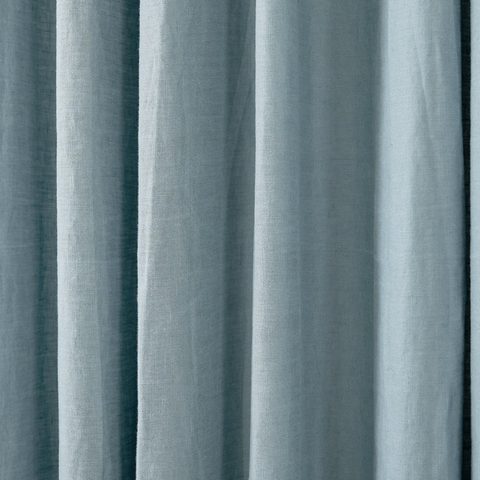
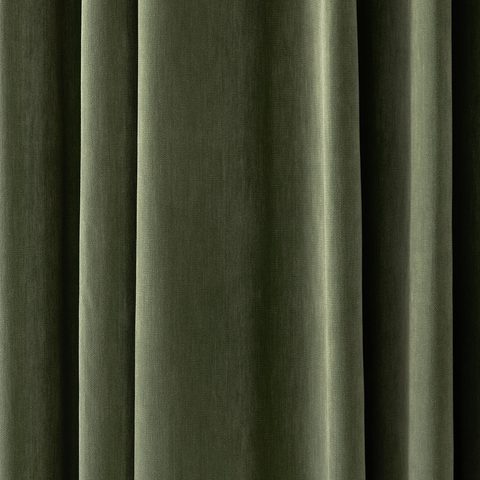
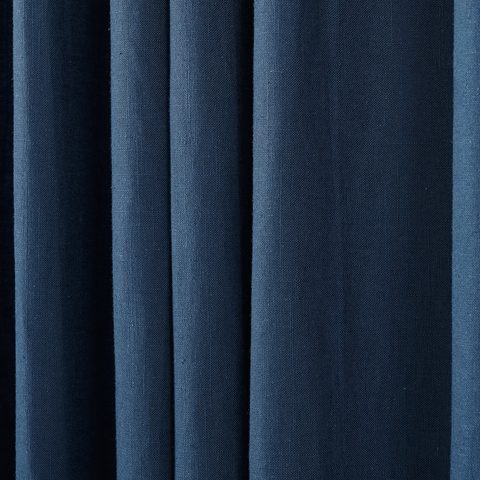
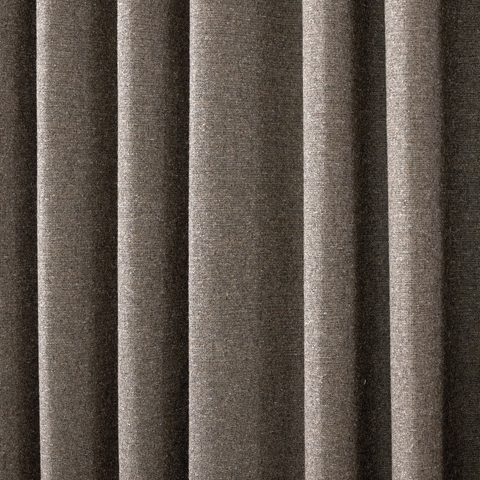
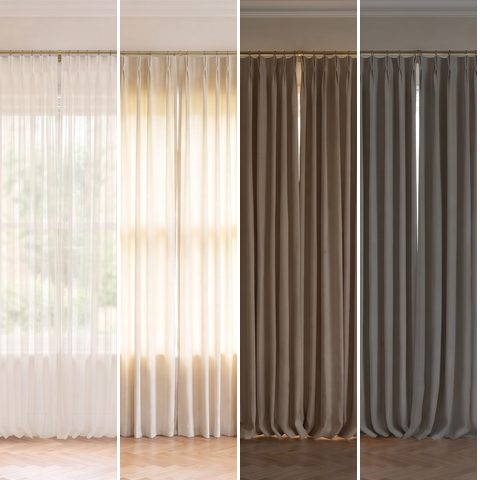
Sheer, light filtering, room darkening or blackout?
How much light a curtain lets through decides what a room is good for: a bright living room, a private street-facing window, a bedroom you can sleep in after sunrise. Here's what each level means and how to choose.
The short answer
For bedrooms, nurseries and media rooms, choose blackout, or room darkening if you like a little morning light. For living rooms and street-facing windows, choose light filtering. For soft daylight, or to layer in front of a heavier curtain, choose sheer.
The four levels
Blackout vs room darkening
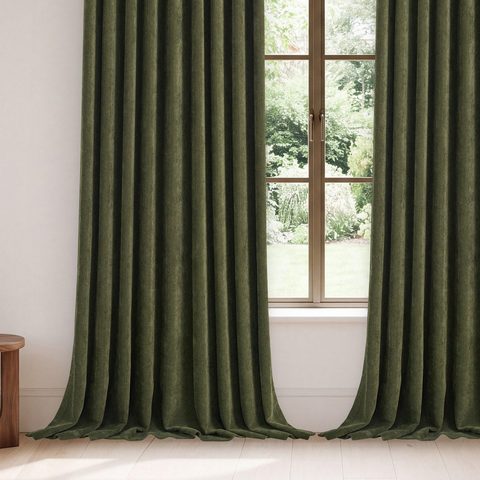
Both make a room dark enough to rest. The difference is how much light the cloth itself lets through. A blackout fabric blocks daylight on its own. A room darkening fabric dims the room strongly but lets a faint glow through, so on a bright morning you'll still notice the sun.
With either, light can show around the edges, because a curtain hangs in front of the window rather than sealing it. To keep that to a minimum, hang the rod or track 4–8″ above the window trim and 6–12″ past each side, and choose a length that reaches the floor. The curtain length guide shows how.
Light filtering vs sheer
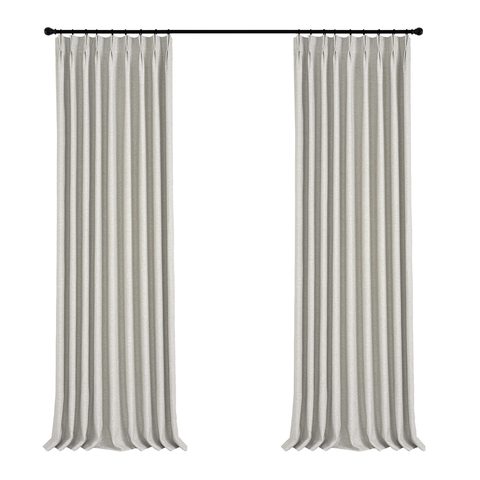
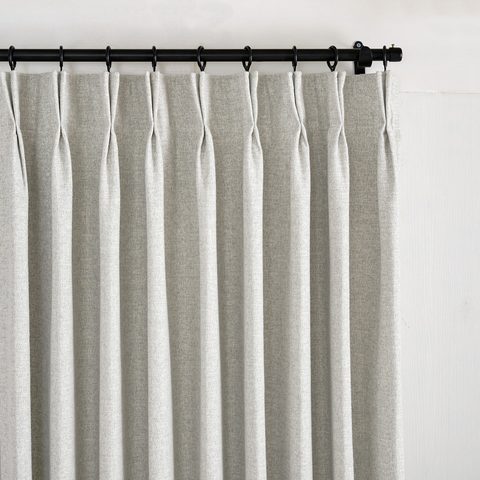
Light filtering fabrics soften daylight and give privacy by day: people outside see light and shape, not the room. Sheers let far more light through and keep the view, so they suit rooms where daylight matters more than privacy. At night, with the lights on inside, a sheer gives little privacy, and lighter colors of a light-filtering fabric can show shadows.
You can have both: a sheer in front of a heavier curtain, on a double rod or track, gives soft light by day and privacy or darkness at night.
Weight isn't the same as light level
It's natural to assume a heavier curtain blocks more light, but the weave and finish decide that, not the weight alone. Across our curtains:
| Light level | Fabric weight |
|---|---|
| Sheer | 170–210 gsm |
| Light filtering | 176–450 gsm |
| Room darkening | 310–340 gsm |
| Blackout | 482–518 gsm |
So a substantial woven fabric at over 400 gsm can still be light filtering, while a lighter room-darkening linen at around 300 gsm dims the room more. Each product page shows both scales side by side: the light scale for how much sun it blocks, and the weight scale for how it drapes.
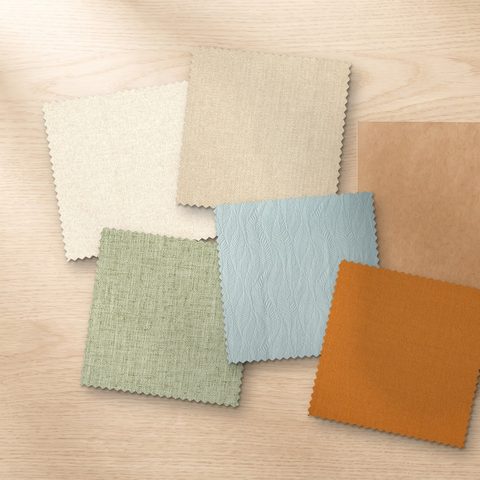
Color plays a smaller part: in a sheer or light-filtering fabric, a deeper shade lets a little less light through than a pale one.
Choosing by room
- Bedrooms and nurseries. Blackout for sleeping after sunrise or napping by day; room darkening if you'd rather wake with the light.
- Media and TV rooms. Blackout, to keep glare off the screen.
- Living and dining rooms. Light filtering, for daylight with privacy.
- Kitchens, sunrooms and garden views. Sheer, or a sheer layered with a heavier curtain.
Questions
Do blackout curtains block all light?
The fabric blocks daylight. A little light can still show around the edges and top, depending on how the curtain is hung; mounting it high and wide, with a length that reaches the floor, keeps that to a minimum.
What's the difference between room darkening and blackout?
A blackout fabric blocks daylight on its own. A room darkening fabric dims the room strongly but lets a faint glow through the cloth.
Are light filtering curtains see-through?
Not by day: they soften the light and keep the room private. At night, with the lights on inside, lighter colors can show shadows.
Can I add a blackout lining?
Our blackout curtains are made from fabrics that block light on their own, so there's no lining to add. For a darker room, choose a blackout or room darkening fabric.
Every curtain shows its light level on a four-step scale, right on the product page.