


Curtain pleat styles, explained
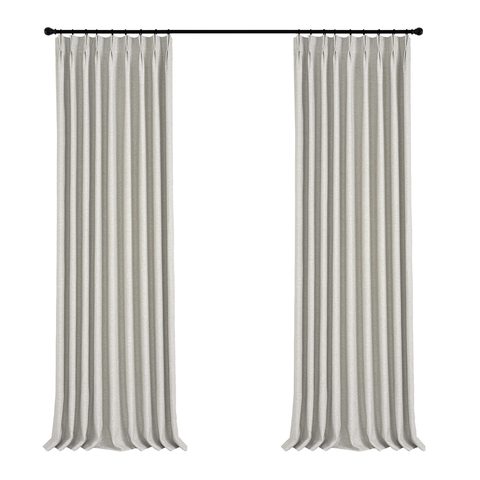
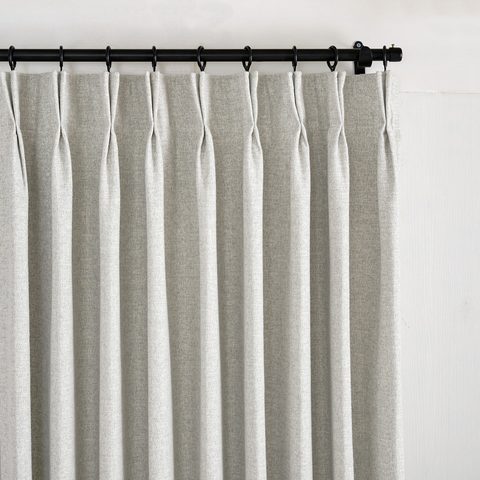
The pleat is the sewn top of a curtain. It shapes every fold below it, sets how formal the room feels, and decides whether the curtain hangs from rings on a rod or glides on a track. Here are the five we make and how to choose.
The short answer
For a classic curtain in almost any room, choose a double pinch pleat. For a cleaner, modern line, choose a double or triple tailored pleat. For a fuller, more formal look, choose a triple pleat or a box pleat.
The five styles


Side by side
| Style | Look | Fullness | Hangs from |
|---|---|---|---|
| Double Pinch Pleat | Classic, relaxed | 2× | Rings or track |
| Triple Pinch Pleat | Full, traditional | 2.2× | Rings or track |
| Double Tailored Pleat | Clean, modern | 2× | Rings or track |
| Triple Tailored Pleat | Clean, generous | 2.2× | Rings or track |
| Box Pleat | Crisp, structured | 2× | Rings or track |
How to choose
- By the room's style. Traditional and transitional rooms suit pinch and triple pleats. Modern rooms suit tailored pleats.
- By how often you open them. Curtains you draw every day are easiest as pinch or tailored. Box pleats look their best on curtains that mostly stay put.
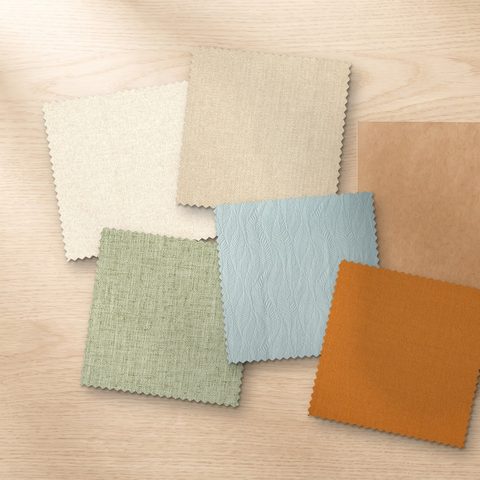
- By the fabric. Every style works in our lighter and mid-weight fabrics. Triple pleats are made on about half our fabrics; each product page shows the styles that fabric offers.
Rings, track and fullness
Every pleated style hangs from small hooks, either on rings over a rod or on the gliders of a track.
Fullness is how much wider the fabric is than the space it covers when closed: 2× means twice as wide. You never have to work this out. Enter the finished width you want each panel to cover, and we sew in the fullness your style needs.
Your hardware also changes where you measure the length from. The curtain length guide shows how, and the measuring guide works it out for you.
Questions
What is a pinch pleat?
A pinch pleat gathers two or three folds of fabric and stitches them together at the base of the header, so the curtain falls in regular, rounded folds. It's the classic tailored curtain header.
Do some pleat styles cost more?
The double pinch pleat is included in the base price. Other styles add a little, and the product page shows the exact price as you choose.
Do I need to calculate fullness?
No. Enter the finished width you want each panel to cover. We add the extra fabric each style needs.
Every curtain shows the pleat styles its fabric offers, with a drawing of each, right in the product page.